Harm reduction vending machines are breaking down barriers by providing access to life-saving medication. In communities heavily impacted by opioid addiction, these machines offer a glimmer of hope. By providing immediate access to Narcan, these machines save the lives who need it most.The initiative has been linked to less sharing of needles and fewer overdose deaths. Amid the addiction crisis, these machines are a helpful tool for communities to think about. Studies by Allen, McDonald, Obadia, and Arendt support the benefits of these machines.Narcan Vending Machines: A Beacon of HopeIn Kenmore, NY, outside the local fire department, there is a Narcan vending machine. It stands as a beacon of hope in the battle against opioid overdoses. Matt Thompson, demonstrating the ease of obtaining Narcan from the machine, shared his testimony of how Narcan saved his life with WKBW news.
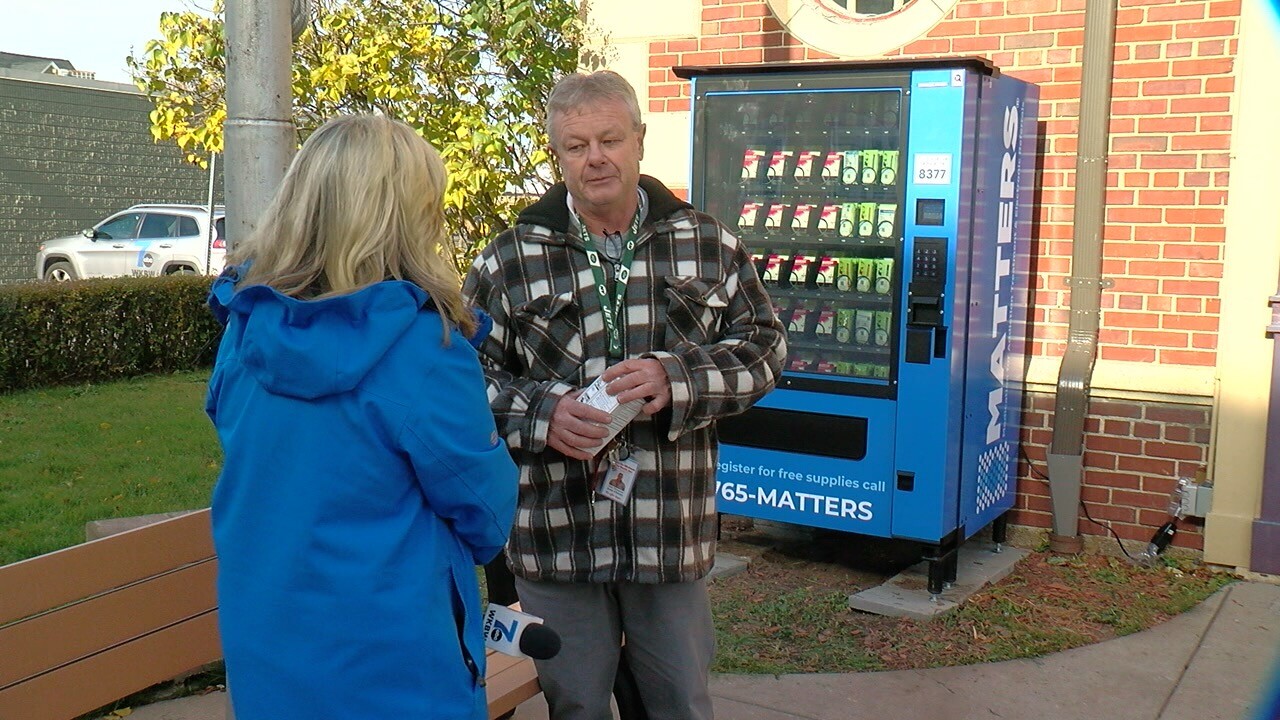
“And one night, it was March 4, 2018, I overdosed and one of the first things that had to happen was Narcan. It's a lifesaver,”Like many others, Thompson's journey with opioids began innocently, through prescription medication for Crohn's Disease. However, it quickly spiraled into addiction, culminating in a near-fatal overdose on March 4, 2018. Narcan provided him with a second chance at life, igniting a passion within him to ensure others had access to this life-saving medication.“And Narcan it gives people a second chance, right? You can go to treatment. You can turn your whole life around,” said Thompson.Overcoming Barriers to AccessDespite the undeniable need for Narcan vending machines, some communities face resistance to their implementation due to stigma and misconceptions surrounding addiction. Israel addresses these concerns head-on, emphasizing that addiction knows no boundaries – it affects individuals from all walks of life. By placing Narcan vending machines in public spaces, communities can bridge the gap between those in need and life-saving resources, regardless of socioeconomic status or background.According to a Naloxone Vending Machcine Implementation report from the Regional Judicial Opioid Initiative stigma and misconceptions were the main barriers to success. In Indiana, a sheriff faced opposition from a commissioner who believed naloxone enabled drug use. Even with input from the health department, the commissioner still opposed providing naloxone to drug offenders.At the state level, legal barriers around naloxone distribution were also a challenge. In Tennessee, policies did not allow vending machines to distribute naloxone. West Virginia had similar issues due to the requirement for full names and birth dates of naloxone recipients.But the biggest concern was ensuring a steady supply of naloxone in vending machines. Challenges included finding local partners to monitor and restock the machines, addressing costs, and dealing with national shortages.Save The Michaels – Placing Harm Reduction Vending Machines Where They’re Needed MostEstablished in June 2011, Save the Michaels of the World, Inc. emerged as a small kitchen roundtable action group to raise awareness about the devastating consequences of opioid medications. The tragic suicide of 20-year-old Michael David Israel catalyzed this initiative. Avi and Julie Israel, driven by their desire to prevent other families from experiencing such loss, embarked on a journey that began with an interview with a Buffalo News reporter. The story gained traction and garnered attention from television stations. It became evident that doctors, patients, parents, and society lacked awareness about the dangers of opiate addiction. The organization aimed to combat the issue of overprescribing pain medications, including hydrocodone and similar drugs.
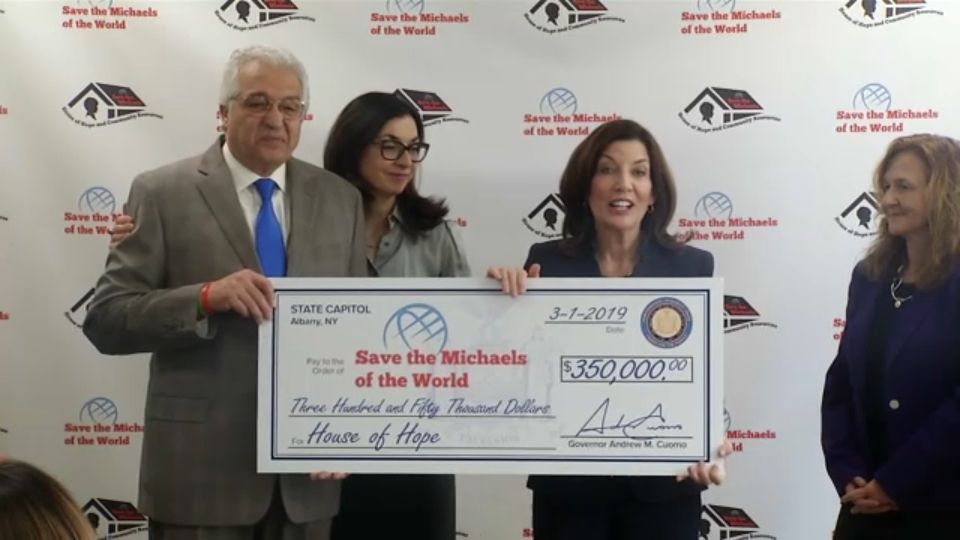
Avi Israel, president, and founder of Save the Michaels of the World, understands the devastating toll of addiction firsthand. He lost his son to an overdose. That is why his organization is committed to installing Narcan vending machines. Save the Michaels plans to place them in strategic locations increasing access to this vital medication. By providing Narcan through vending machines, they aim to save lives and dismantle the stigma associated with addiction.Israel told WKBW’s Eileen Buckley, “Some of the communities that we want to put machines, and the first thing that you hear is – ‘well we don't want those kinds of people to come down’. Those kinds of people are your neighbors. It could be your kid or family member, it could be the person that just across the street from you. It could be anybody,” replied Israel.Evidence-Based Solutions: The Positive Role of Harm Reduction Vending MachinesThe introduction of harm reduction vending machines represents a significant milestone in combating substance abuse. These machines provide essential harm reduction supplies, including Narcan, sterile injection equipment, and condoms, to individuals who use drugs. Research demonstrates that harm reduction vending machines effectively reduce syringe sharing and overdose mortality rates.In a study done on three Michigan jails, health-providers wanted to offer more resources. Reports from this test group show early success but there is much still to learn. The picture below shows the average number of naloxone kits increased after six months of use. This increase was most notable in the larger facilities with 200 beds or more. One of the jails had not provided harm reduction medication prior to the test. After six months they had distributed two naloxone kits per bed.

The success of harm reduction vending machines hinges on strategic investments in infrastructure, stocking essential supplies, and ongoing research and evaluation. Jurisdictions like Wisconsin are already leveraging opioid settlement funds to support these initiatives, paving the way for expanded access to life-saving resources.
Conclusions from Vending Machine Implementation Efforts
Narcan vending machines are more than dispensers of medication; they are symbols of hope, compassion, and resilience in the face of adversity. By breaking down barriers to access and combating stigma, these machines play a crucial role in saving lives and restoring hope to individuals and communities affected by the opioid overdose crisis. As we continue to confront this epidemic, Narcan vending machines serve as a tangible reminder that every life is worth saving, and no one is beyond redemption.Through collaborative efforts and unwavering commitment, we can turn the tide against opioid overdoses and create a future where every individual can thrive, free from the shackles of addiction.If you or your organization would like to invest in your community by combating drug abuse, reach out today. Our dedicated account managers are ready to assist you.